Plato, the renowned Ancient Greek philosopher, embarked on a profound intellectual journey to unravel the mysteries of existence. At the core of Plato’s philosophical framework was the concept of the soul, which he believed to be the essence of a person’s being, guiding their thoughts, desires, and actions. In this blog, we will delve into Plato’s fascinating ideas about the soul, exploring its nature, its divisions, and its connection to the ultimate truth.
Plato proposed an intriguing theory that the soul is composed of three distinct parts: the rational, the spirited, and the appetitive. According to him, the rational part of the soul seeks knowledge, understanding, and reason. It is associated with our ability to think critically and make informed decisions. The spirited part, on the other hand, embodies courage, ambition, and the pursuit of honor. Lastly, the appetitive part represents our base desires and instincts, including hunger, thirst, and other bodily needs.
In order to further elucidate his conception of the soul, Plato employed the allegory of the chariot. He compared the rational part of the soul to a charioteer, skillfully guiding the spirited horse, representing our emotions and passions. The other horse, symbolizing the appetitive part, tends to be unruly and driven by immediate gratification. Plato believed that a well-balanced soul required the rational part to govern the spirited and appetitive parts, enabling harmony and virtue.
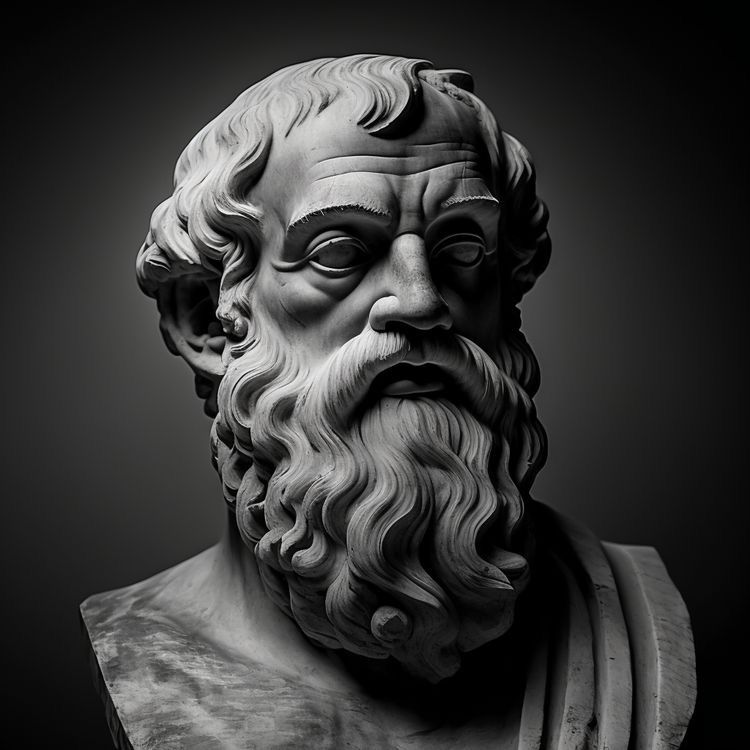
knowledge of the soul is the only universal truth and the only wisdom – all other knowledge is transient. The soul of man is immortal and imperishable.
Plato posited that the soul is immortal and exists before and after physical existence. He argued that the soul is eternal, constantly seeking truth and wisdom. In Plato’s realm of Forms, the soul encounters the pure and ideal representations of concepts, which it once knew before birth. Through philosophical contemplation, the soul can recollect these perfect forms, gradually attaining knowledge and understanding.
For Plato, the ultimate purpose of life was to align the soul with the realm of Forms. He believed that the pursuit of knowledge, virtue, and justice could lead to the liberation of the soul from the constraints of the material world. By cultivating the rational part of the soul through education and self-reflection, individuals could ascend towards the truth, allowing their souls to reach their highest potential.
If the head and The Body are to be well, You Must Begin by Curing the Soul
PLATO
Plato’s ideas about the soul have had a profound impact on Western philosophy and continue to resonate today. His emphasis on the importance of reason, virtue, and the pursuit of truth has influenced countless thinkers throughout history. Plato’s exploration of the soul reminds us that our inner selves are multifaceted, requiring balance and introspection to lead a fulfilling life.
Plato’s insights into the nature of the soul offer a captivating glimpse into our innermost essence. By recognizing the tripartite divisions within ourselves and striving for harmony and enlightenment, we can embark on a transformative journey towards self-understanding and virtue. Plato’s timeless wisdom reminds us that the soul is not merely a vessel for our existence, but a profound source of our identity and purpose in the world.
Once you obtain a Plato book, prepare yourself for an intellectual journey that transcends time and culture. Engage with Plato’s dialogues and immerse yourself in his philosophical inquiries. Whether you are a seasoned philosopher or new to his works, Plato’s writings offer timeless wisdom that continues to shape the way we perceive the world.
So, embark on your quest for a Plato book today and discover the extraordinary mind of this philosophical giant. Happy reading!
 A Soul Believer's Guide to Finding Inner Peace
Leave a comment